Introduction
This podcast was created between December 2, 2024 and January 13, 2025. At the beginning of our project we knew that it had to be a factual documentary podcast. We spent a lot of time brainstorming, partly to ensure everyone's commitment to the task, but also to see how much dedication, ambition and work ethic each of us had. Using a very open and democratic process, we selected a topic and brainstormed deeply during the selection process.
Our goal became to investigate the inevitable subject; climate change, but from a young persons perspective. The term ‘climate change’ opens up tons of different aspect both political and social, and sometimes it can be both overwhelming and very difficult to deal with. We wanted to ask the big questions; how bad is it? How will it be in the near future? Will Denmark be flooded? Is there any hope? And is it allowed to be hopeful?
We interwied three very different experts:
Klimaforsker/climate scientist - Jens Hesselbjerg.
Klima- og biodiversitetschef (Director of Climate and Biodiversity) i Dalgas - Mads Flinterup.
Skribent, forfatter og kulturforsker - Torben Sangild.
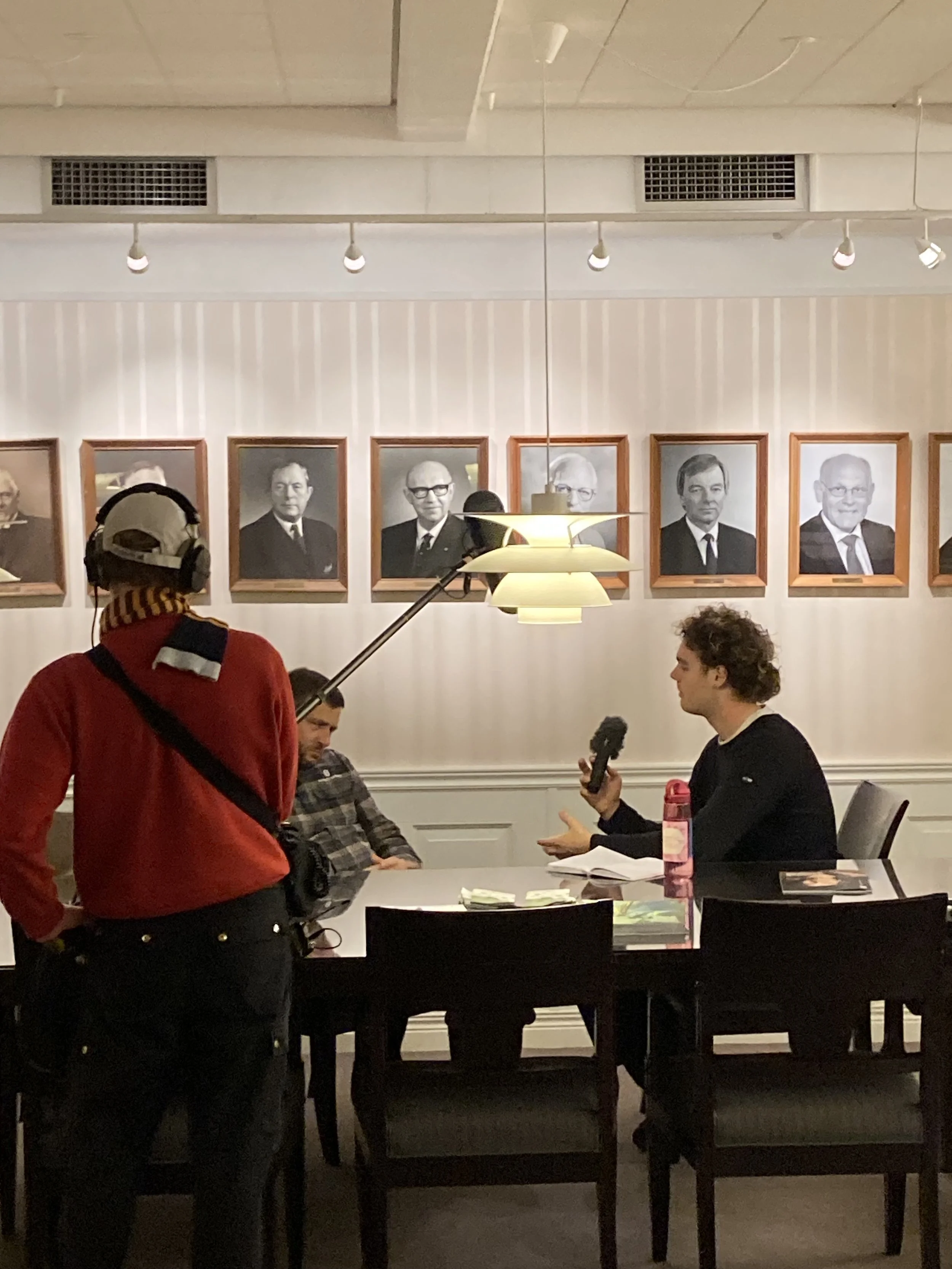
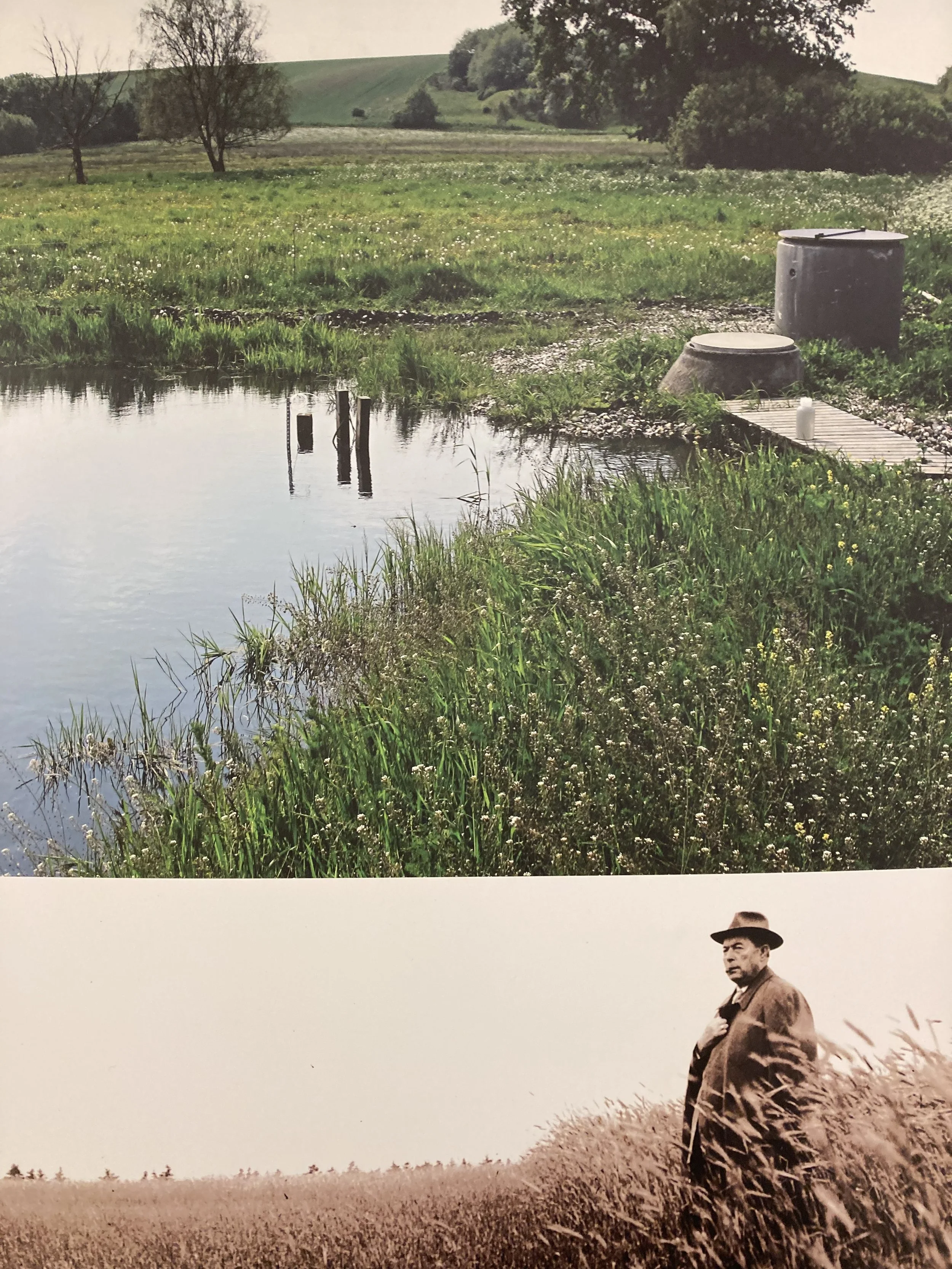
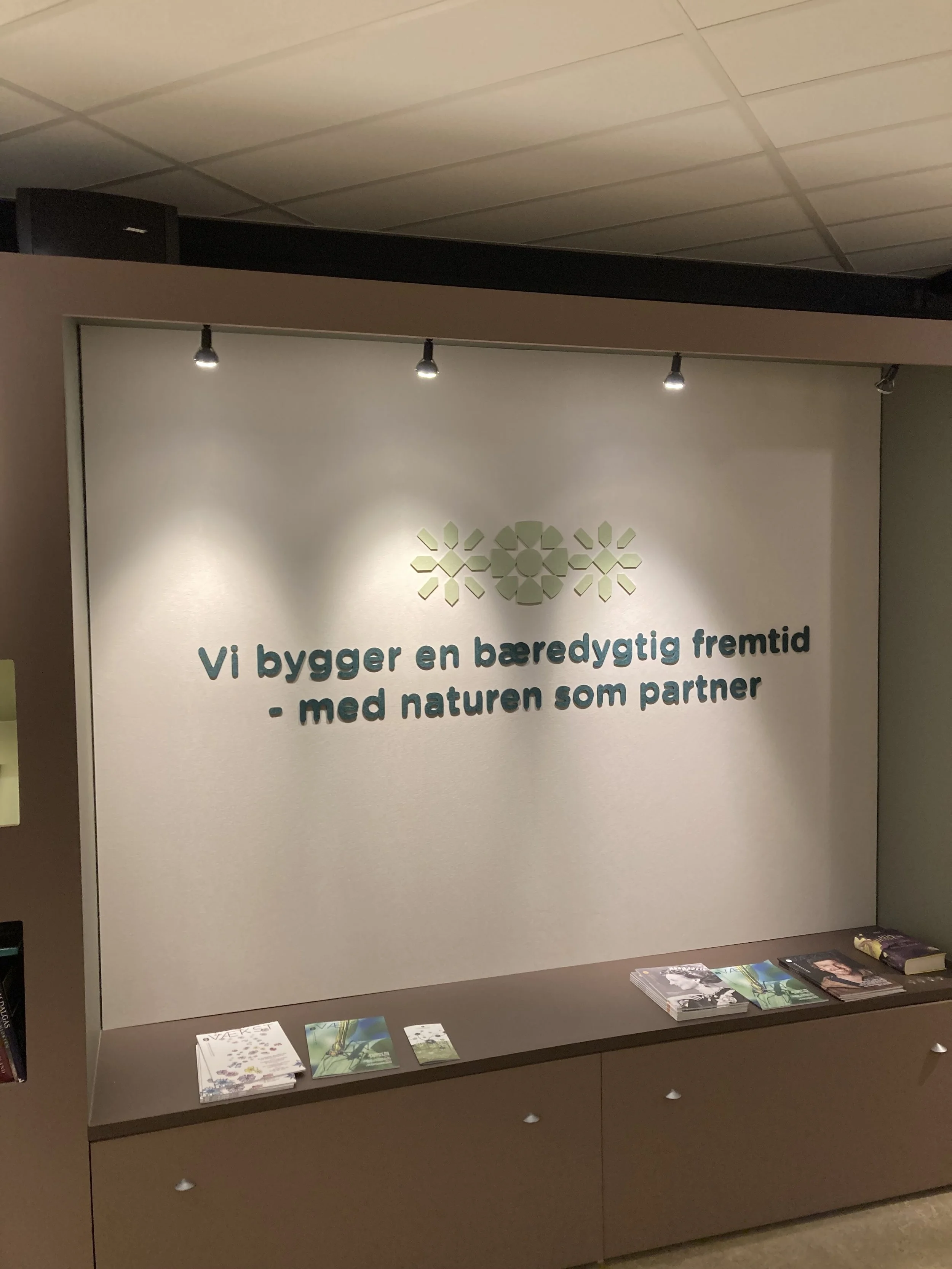
Journalistic approach and interviewing methods
Part of the task was to imagine an organisation that would be interested to buy the podcast. So we produced it to the danish organisation ‘Dalgas’. They work with green solutions for companies and the public sector in areas such as landscaping, afforestation, climate protection, and ecological restoration.
When we prepared the questions, we started with ones that would work for all three interviews. After that, we shaped them around each person’s role: Jens Hesselbjerg, the climate researcher, got open questions to draw out facts and insights; Mads Flinterup was asked more perspective-driven questions; and with Torben Sangild, we focused on a free-flowing, personal conversation, adjusting the questions specifically for him.
The three different interviews made it clear for us that the way to tell this story was by a three-act’s structure. The three acts follow Frodes different levels on his journey towards a form of acceptance.
Our primary target group was adults between 18-35 who are aware of climate change and its issues. More specifically, the target group have to be curious about political activism, climate research and actively follows the news.
The sound concept
Our soundscape is built from natural sounds and soft tonal layers that meet synthetic and atmospheric drones. The soundscape is revolving around water and flooding, with dynamically evolving drones and a synth arpeggiator that signals 'the water is rising.'
In creating the music, it was essential to work with the contrasts of hope and dystopia, as the podcast’s mood moves within this spectrum. This is especially evident in the background music, which features a dystopian drone and synth layers in Act 1, but is replaced in Act 3 by atmospheric guitar and a hopeful synth layer.
Jingle
To connect with our target audience we used modern electronic drum elements in the jingle to maintain rhythm, curiosity, and create a contrast to the soft sound layers. Our goal was to strike a balance between knowledge and emotion in the jingle.
The bass awakens the listener’s curiosity and serves as the series’ recognisable theme. The jingle uses open chords, leaving room for interpretation. It is a factual podcast, so we felt like it was important that the music does not overpower the content or impose overly strong emotions. There must be space for interpretation, moderation, and perspective—elements that are essential to the message of the episode